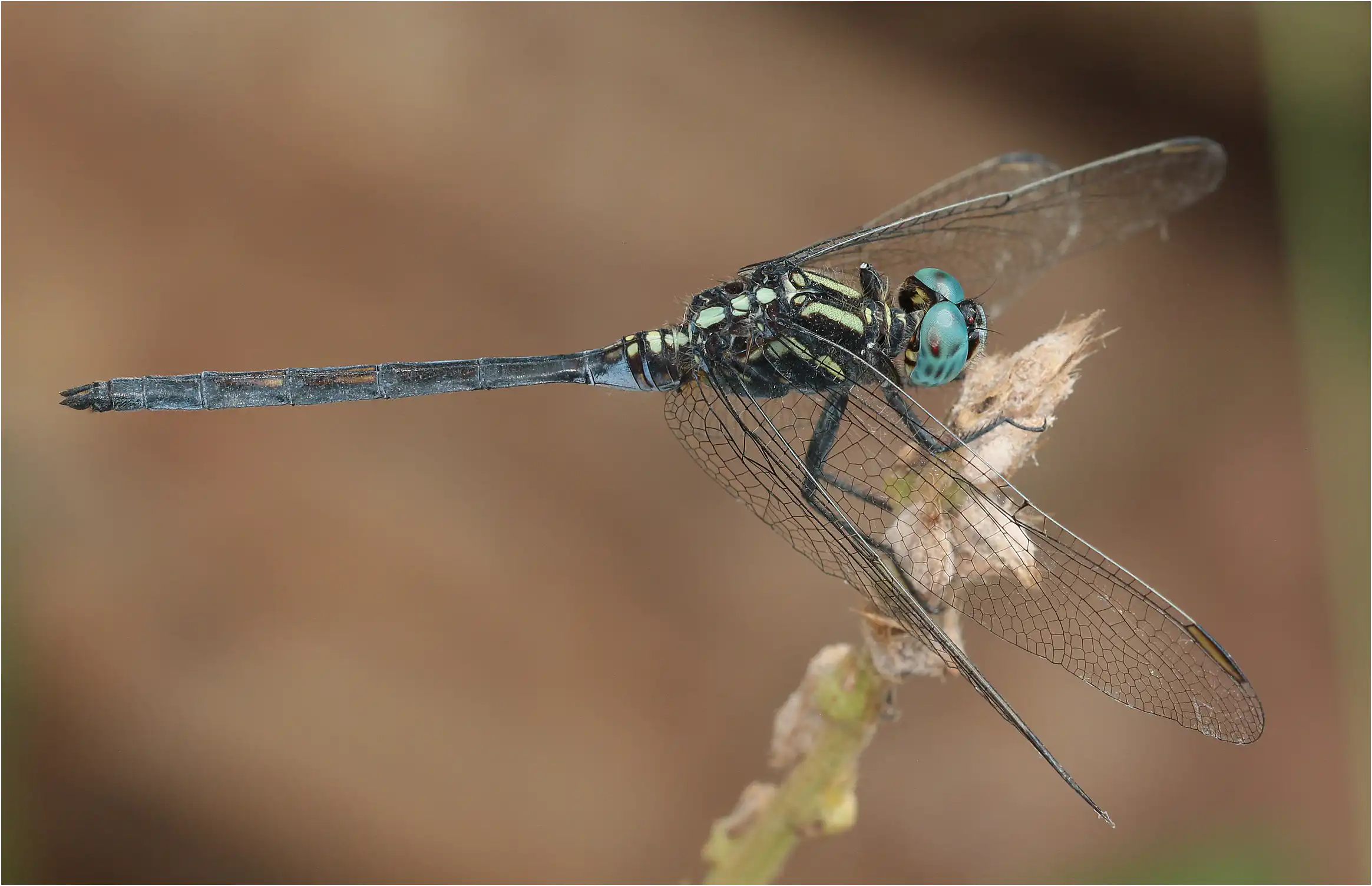
Orthetrum is a very difficult genus to identify in Africa, but Orthetrum hintzi, when not fully mature and covered in bluish pruinescence, may not be the most complicated. It should be mentioned that this genus, which includes over 80 species worldwide, counts 36 in Africa and 15 in Ghana. For the most part, they become darker and/or covered with a blue powder as they age, and their clear distinctive markings are thus obscured. Therefore, on this page, I will not initially present any completely blue ones.
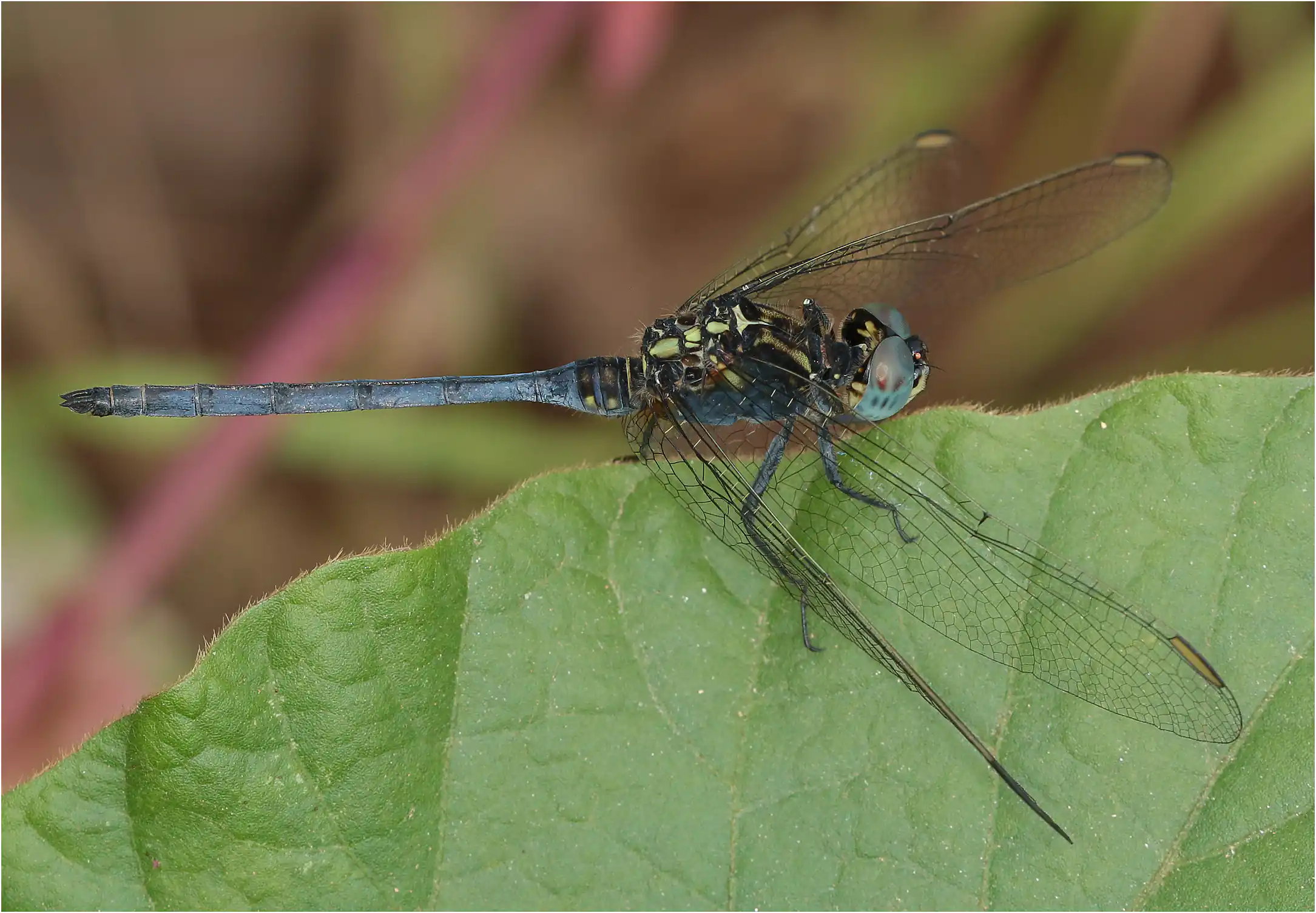
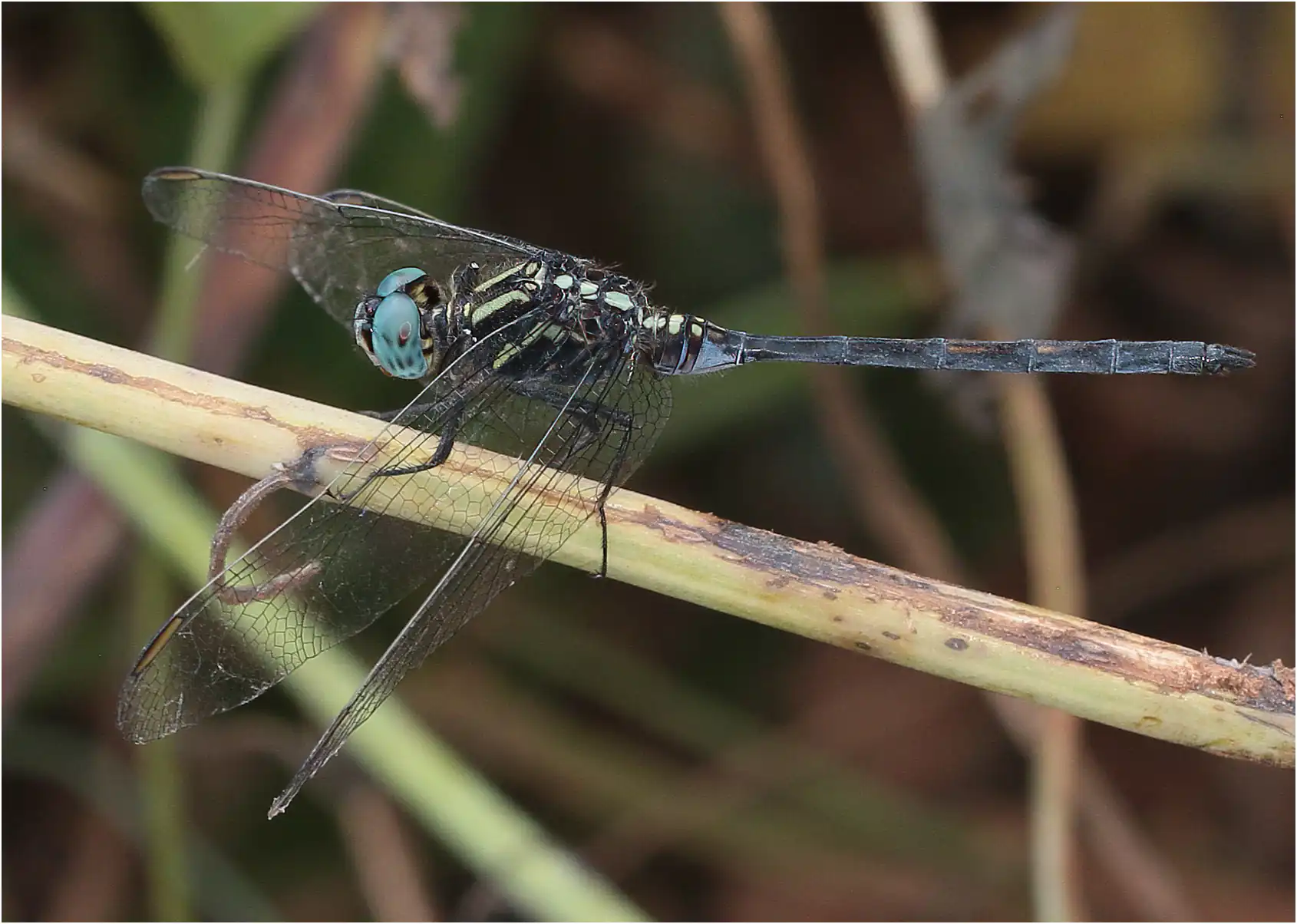
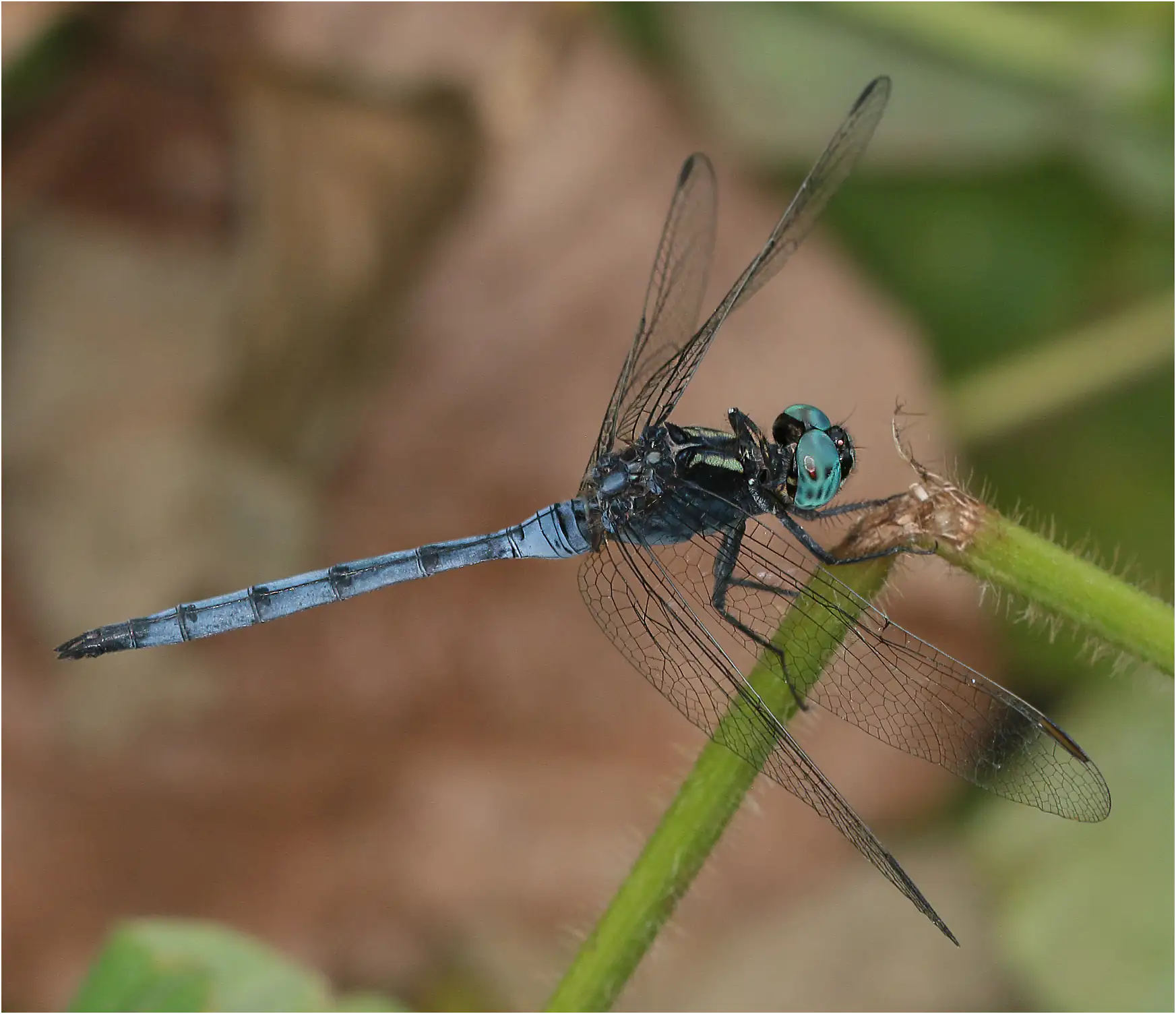
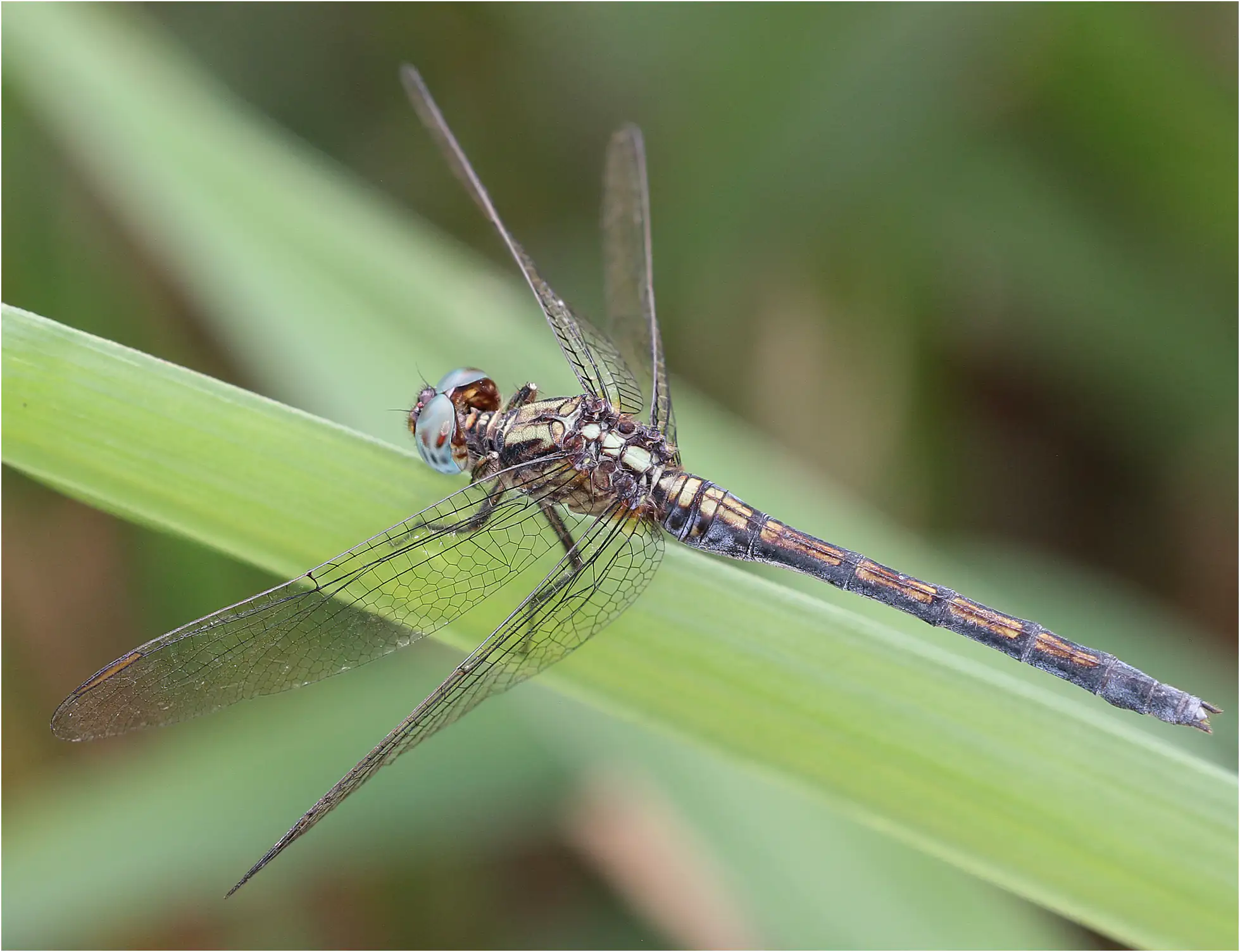
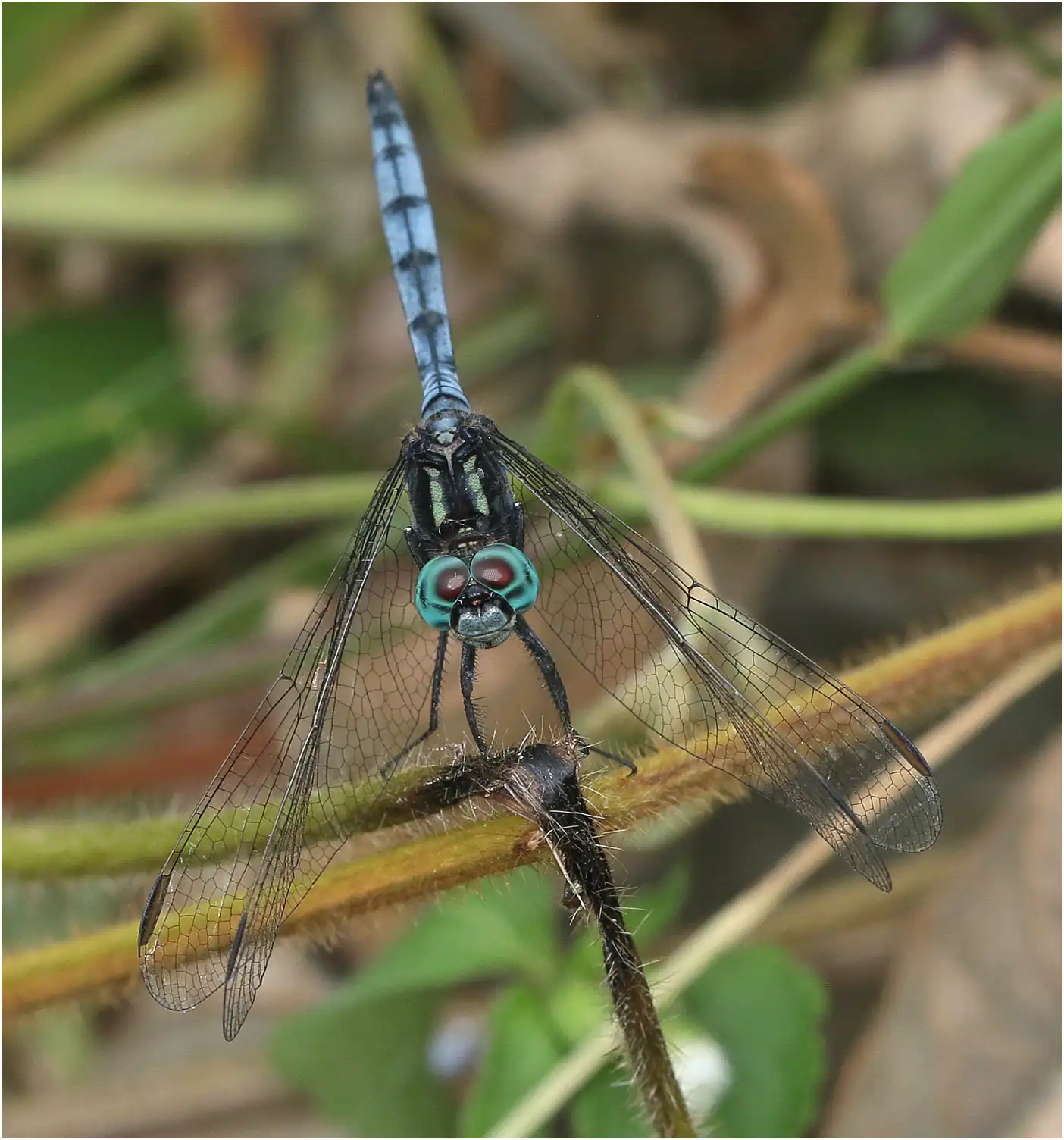
It is identified by its dark, black thorax, illuminated by a yellowish antehumeral stripe, an inverted 'L' on the lateral side of the thorax, and an identical coloration on the interalar space. The abdomen shows yellowish parallel lines on S4 to S7; S9 and S10 may be black. It has a single row of cells in the space located above the supplemental radial vein (Rspl)—which Anglo-Saxons call the radial planate, a term with no French equivalent; 'champ radial supplémentaire' might help simplify things to define this IR3–Rspl or IR2–Rspl space. In this row, there are between 0 and 10 (rarely 14) doubled cells in total across all 4 wings. The subject below has none, and furthermore, none of the subjects I have encountered had any doubled cells.
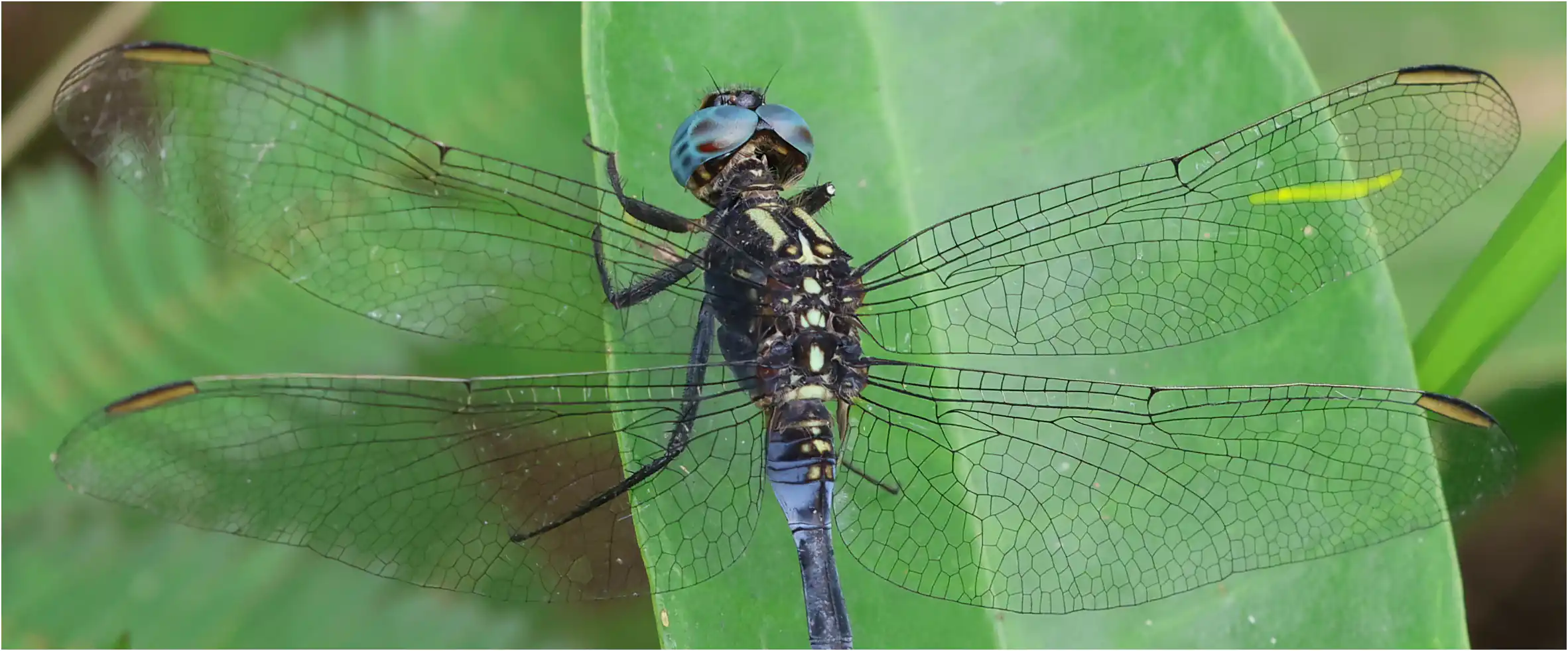
Also note the pale subcostal crossveins (depending on the angle of light), at least the proximal ones.
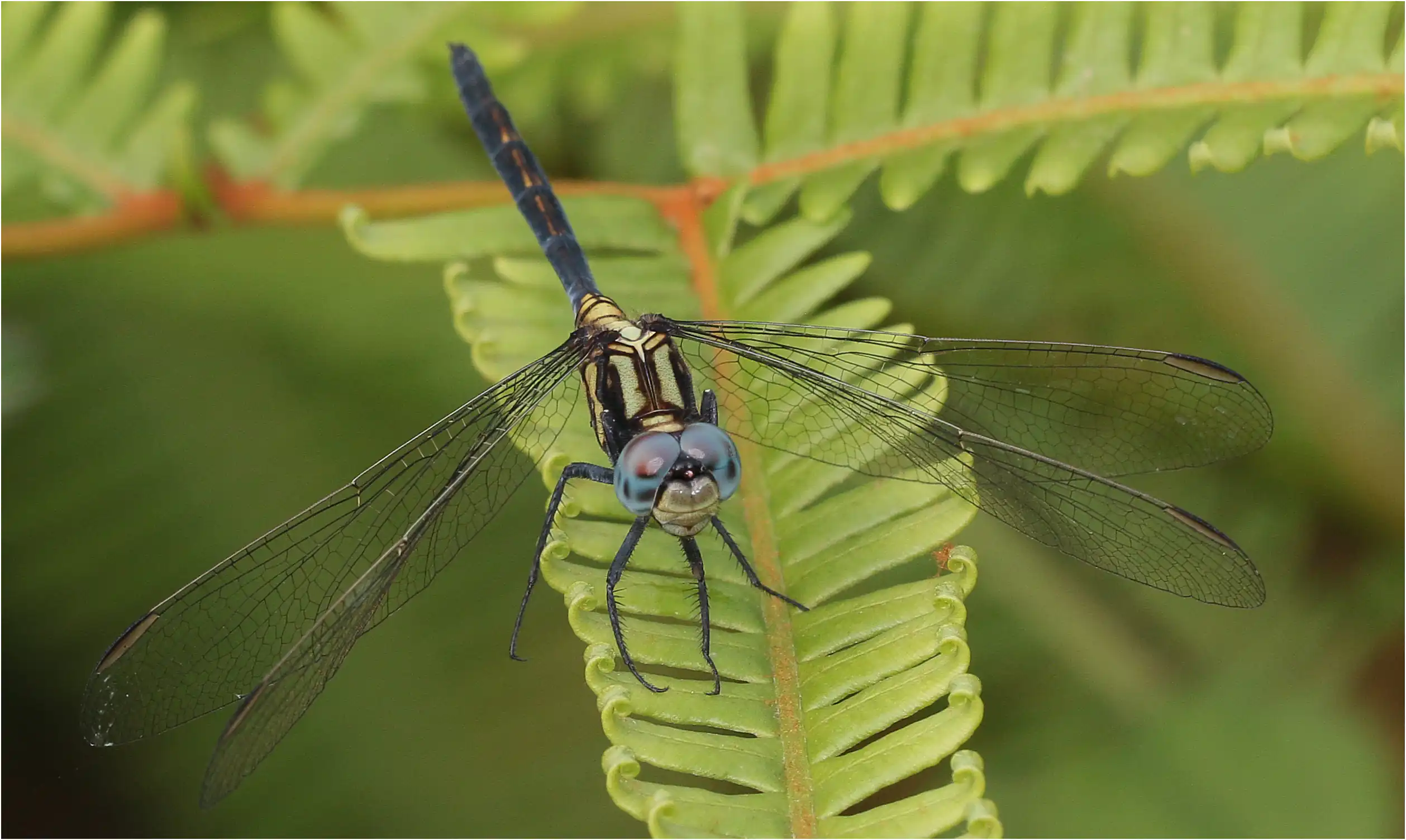
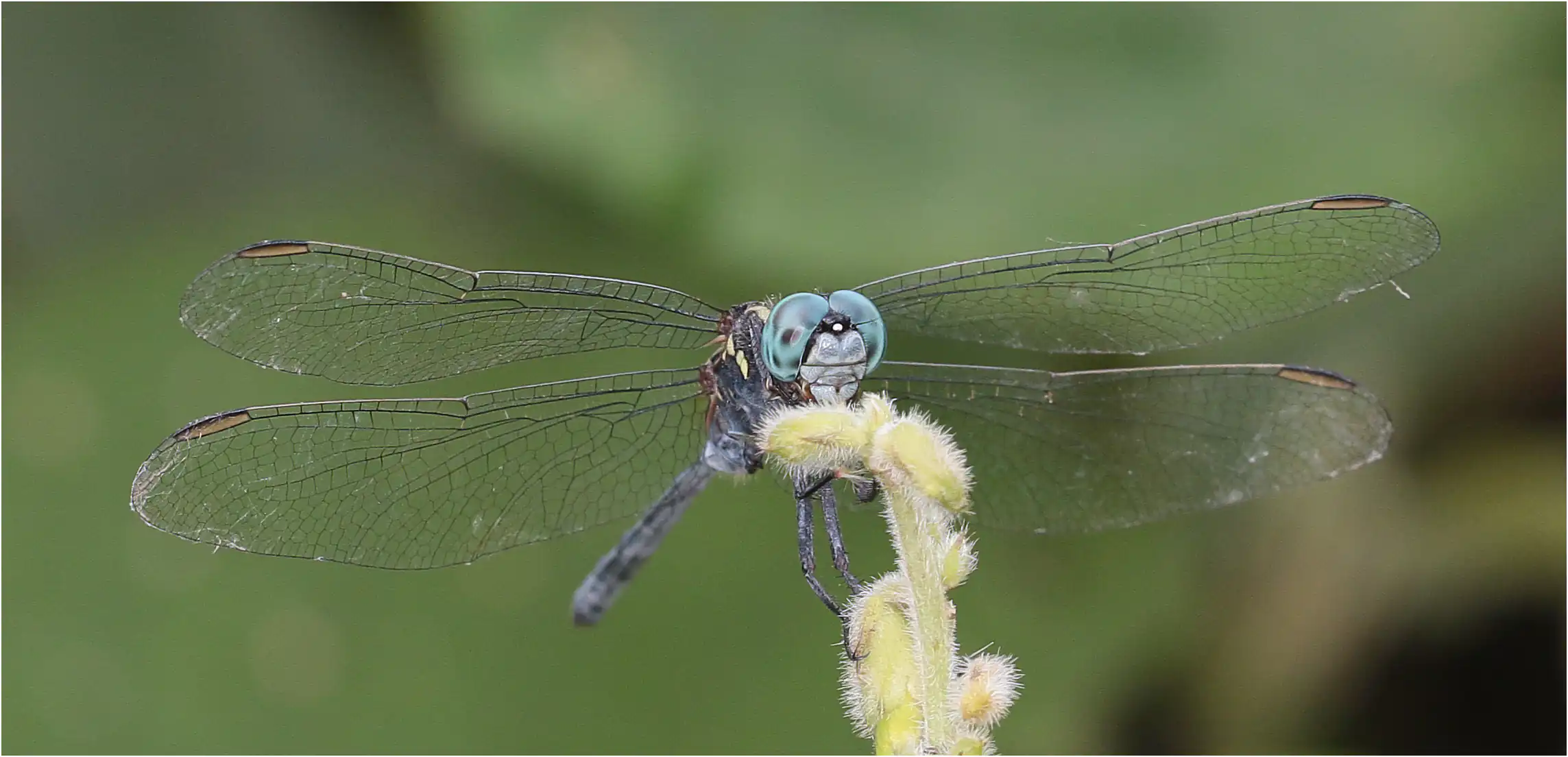
Orthetrum hintzi measures 35 to 43 mm; it is a small Orthetrum.
We encountered it along forest tracks, near large rain-formed puddles on these logging trails, always in the presence of the forest but never inside the forest itself. Dijkstra writes on ADDO: 'Standing waters, often temporary, seeps and springs, in open landscapes and open areas in forest.'
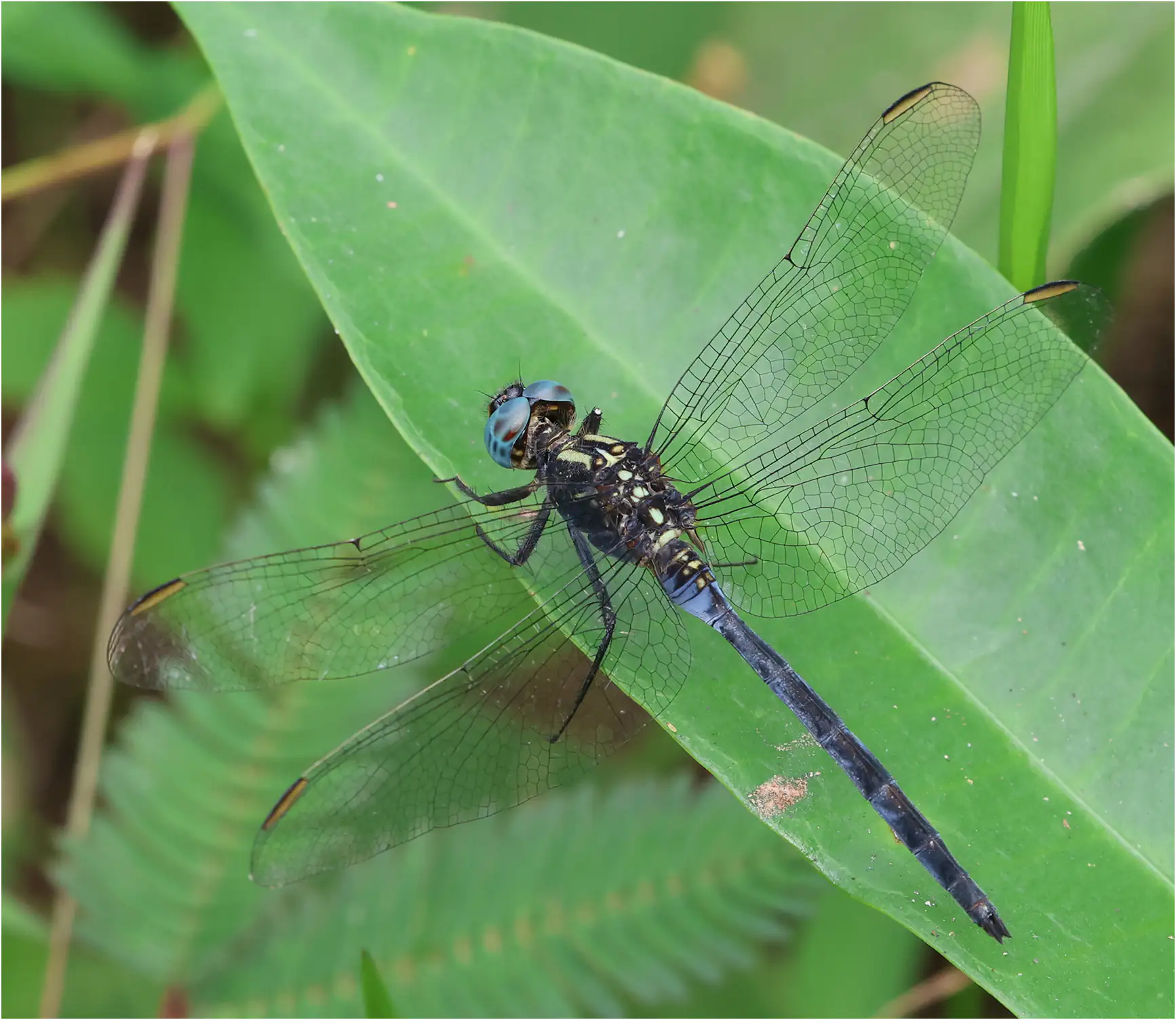
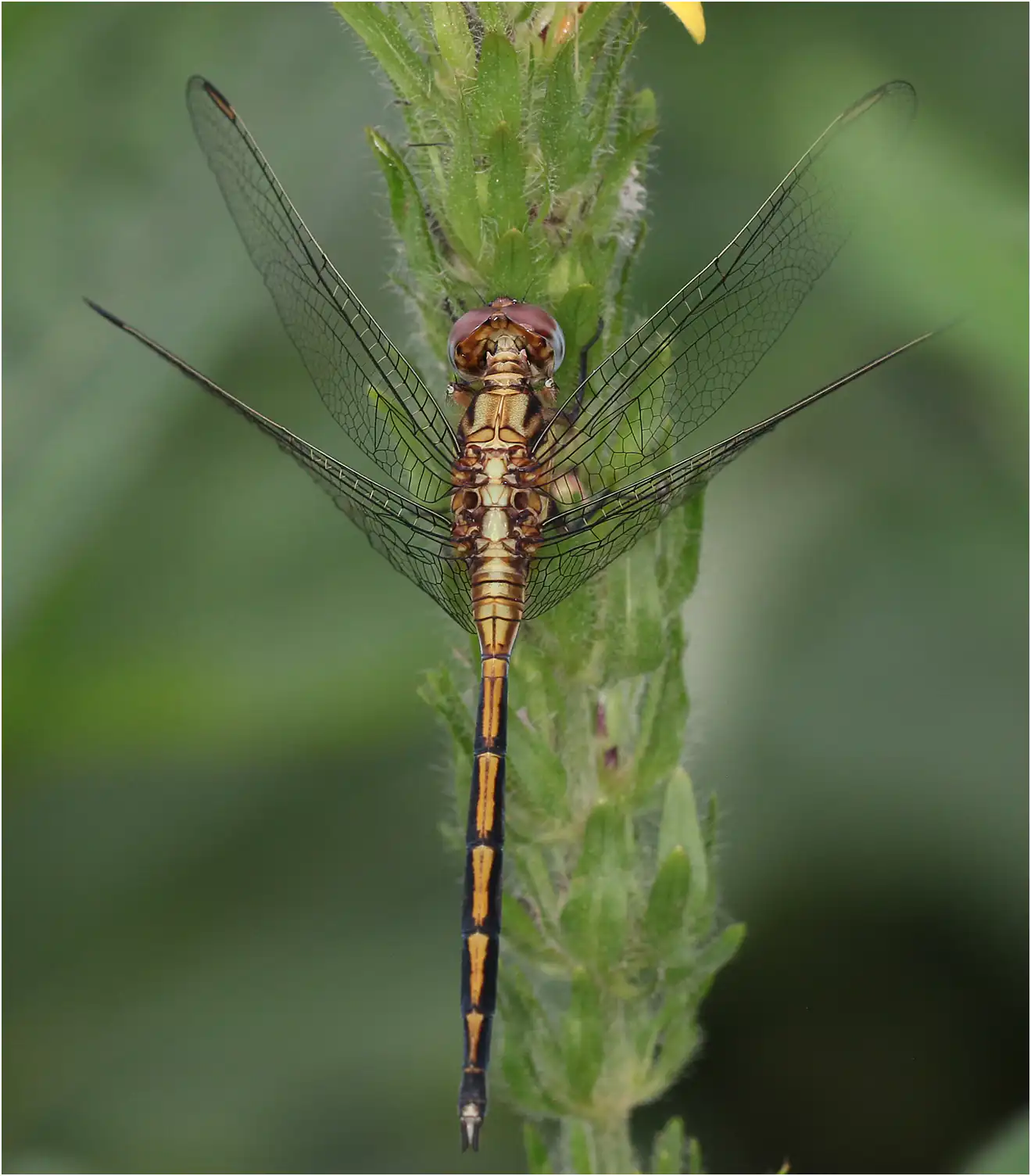
One of the particularities of immature males and females is this very marked dark line on each side of the abdomen. We also note the dark antehumeral stripe whose coloration will gradually expand, giving it the English vernacular name Dark-shouldered Skimmer.
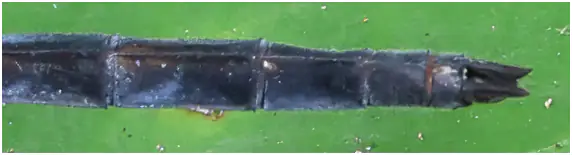
We can observe the pale epiproct (lower anal appendage), a feature also found in females, as well as a pale spot on the dorsal side of the 10th segment, which may be an identification feature for these immatures (and young males, as it is found before the abdomen becomes entirely covered with pruinescence). This pale coloration contrasts with the black of the 9th segment, but unfortunately, it is not specific.
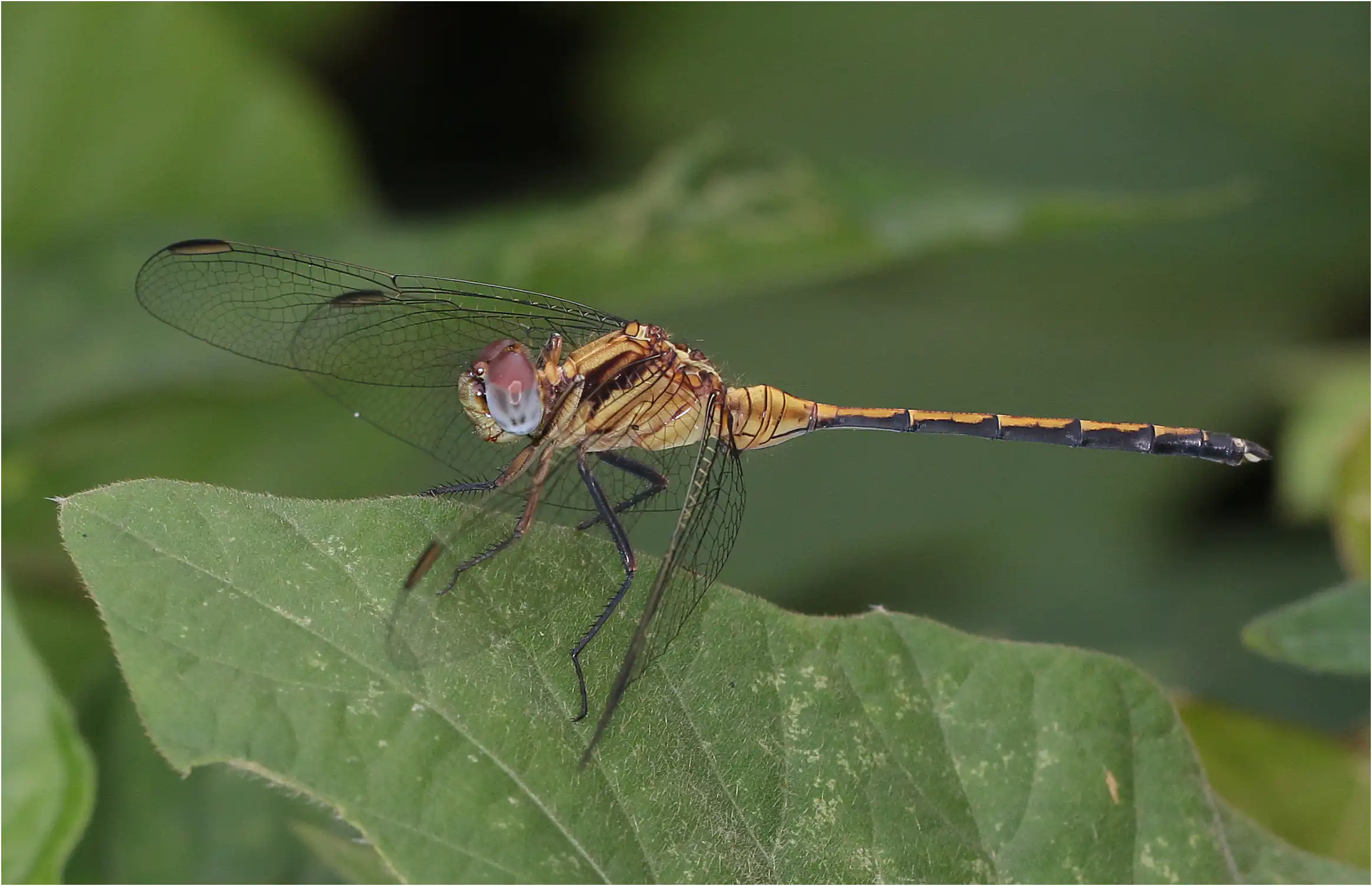
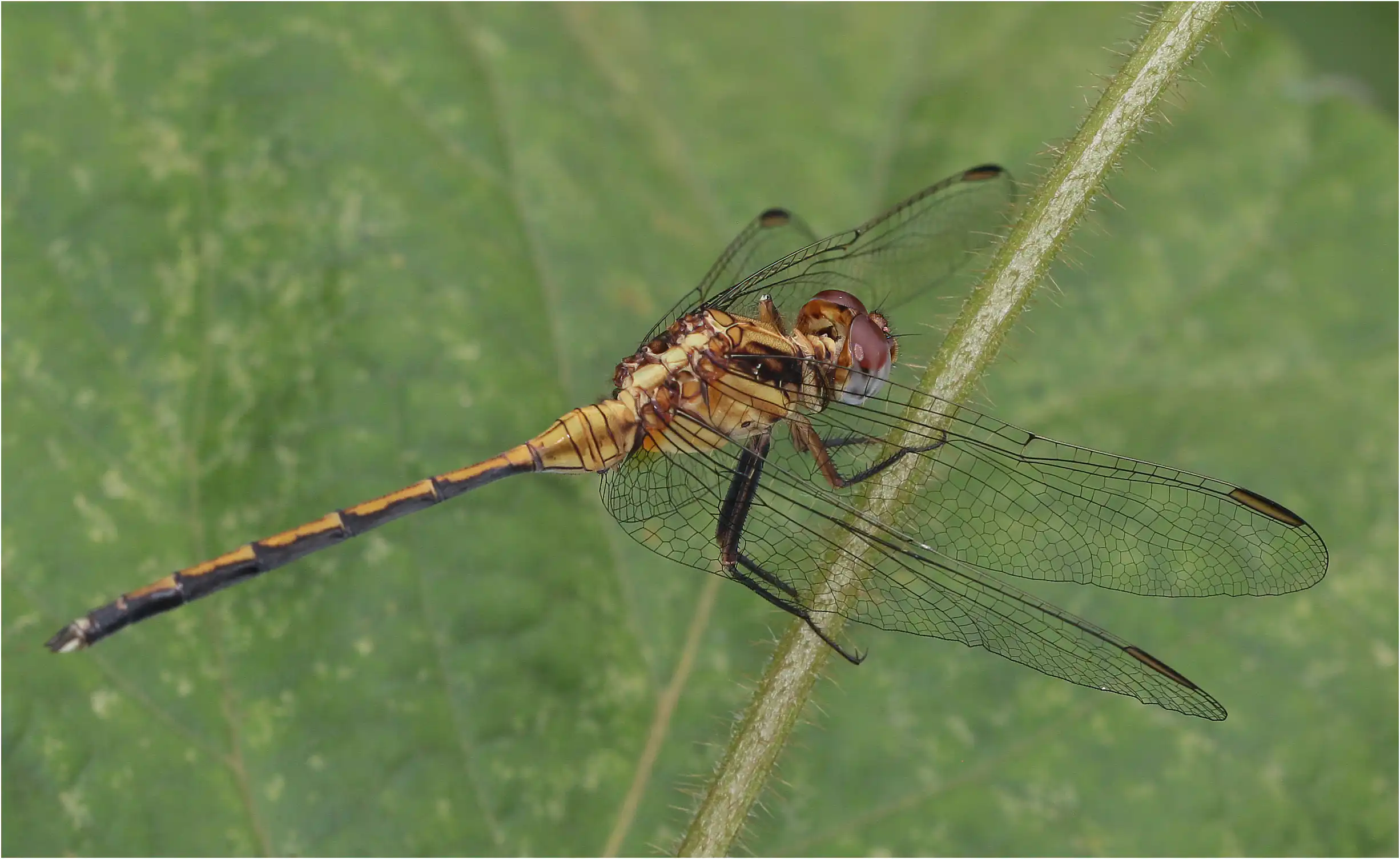
The same details are naturally found in females, as immature females and males are very similar most of the time in Libellulidae. As far as I can judge, none of these male or female subjects show any doubled cells in the radial planate.
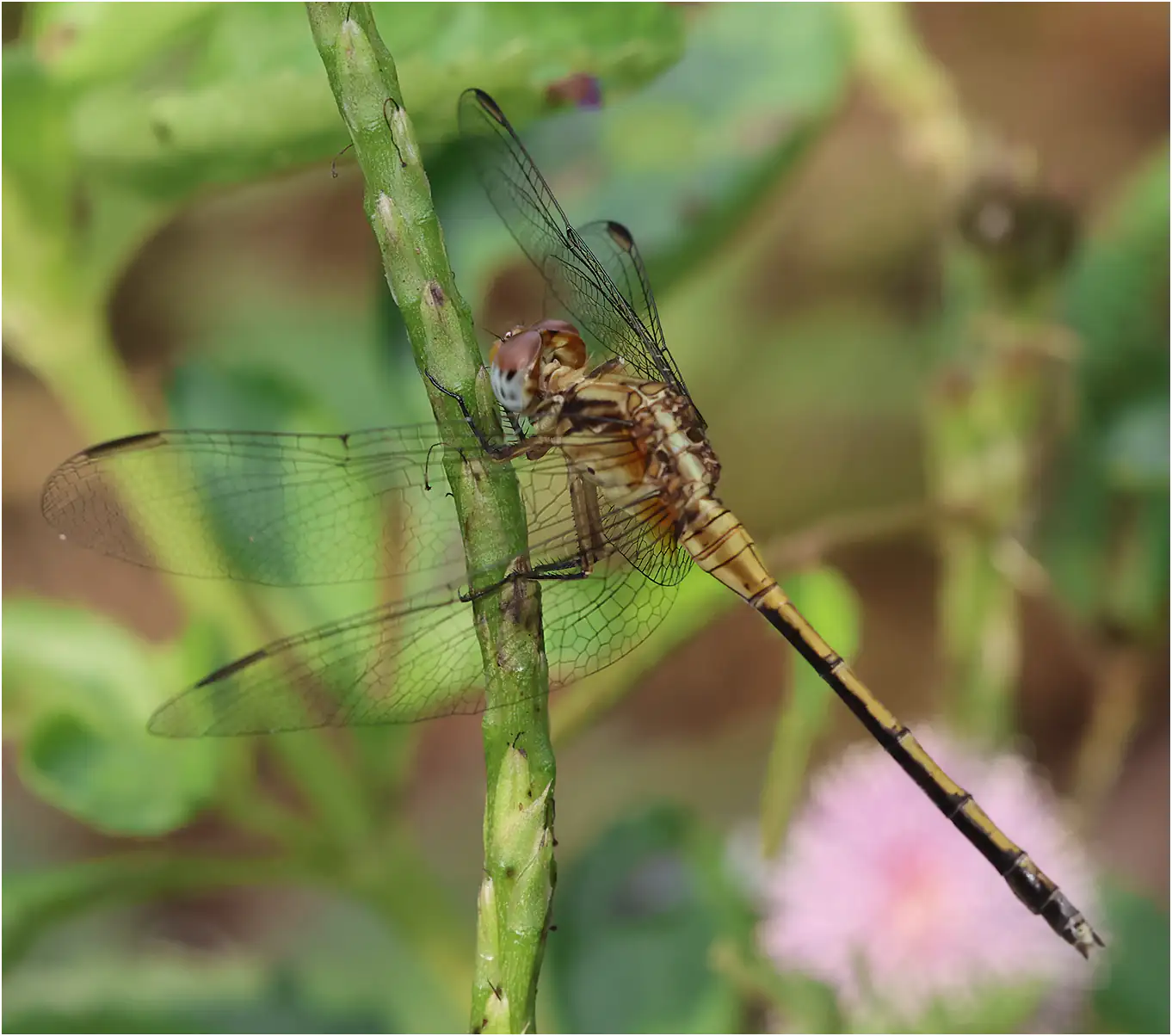
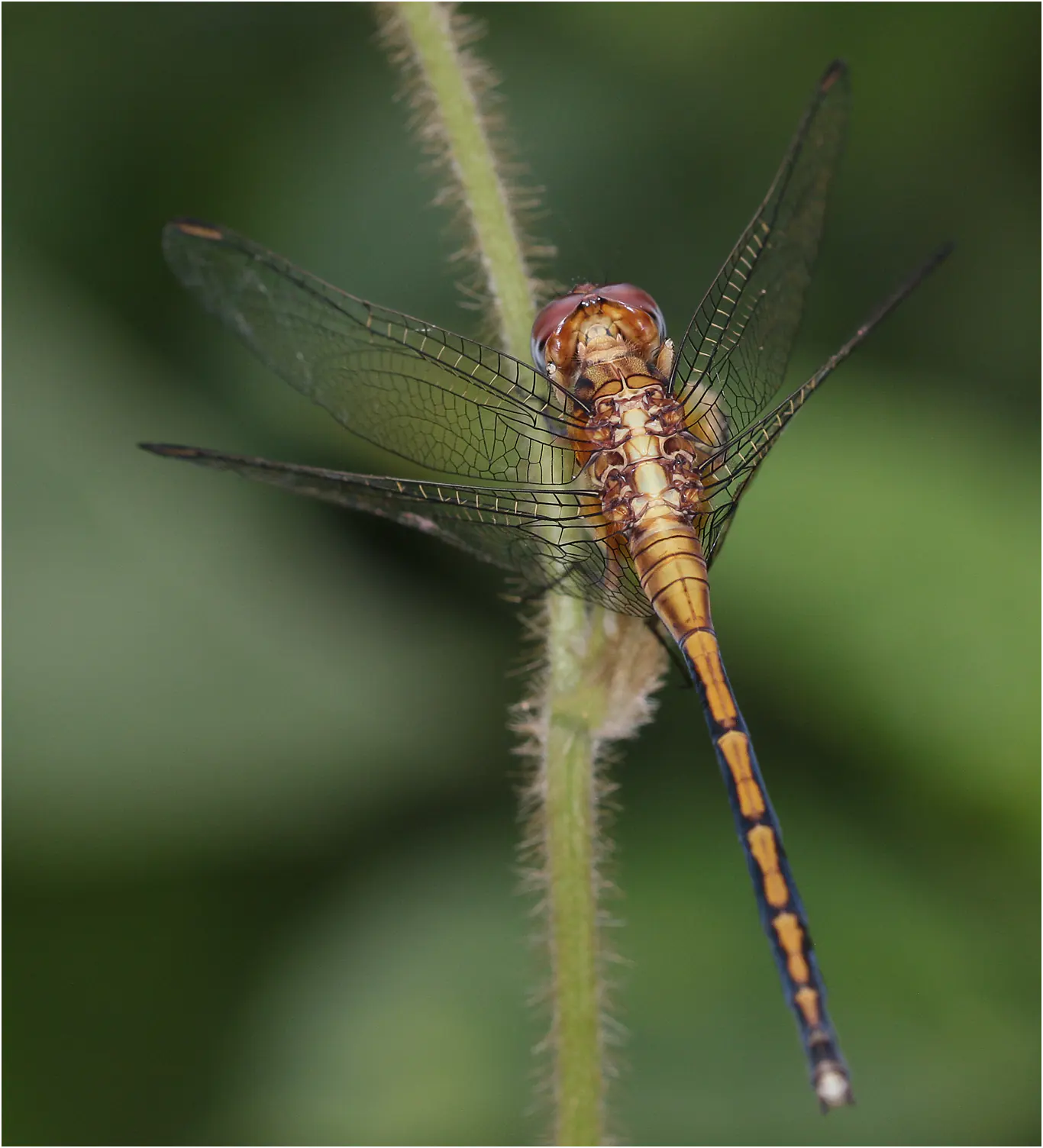
Its distribution is very extensive, as it is found from Senegal to Ethiopia in the east. It reaches the extreme north of Namibia and, if it reaches South Africa, it curiously does so via the east coast of Africa, occupying Tanzania and Mozambique.
IUCN Red List.
Below is an older female that retains the same criteria.
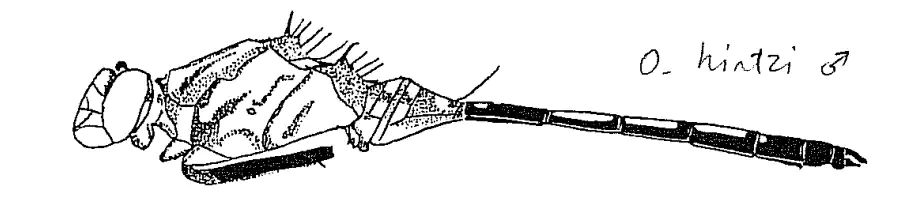
Schmidt's (1951) description of *Orthetrum hintzi* is very concise: 'The species resembles the previous one [*O. icteromelas*] in the shape of the male hamuli, but is distinguished by the patterns of the head and abdomen, as well as by the relative size of the latter. Named in honor of the collector E. Hintz — Berlin.'
However, the author provides a drawing of the secondary anal appendages, and it is certainly these that must be relied upon to confirm the identification. He also provides an interesting profile (below), certainly of an immature subject, which clearly shows what distinguishes it from other *Orthetrum*, namely this strong black line along the abdomen.
Etymology of Orthetrum hintzi
Orthetrum (see Endersby & Fliedner, 2015) comes from two Greek words, *orthos* meaning straight and *etron* for abdomen, signifying that the sides of the abdomen are parallel. This generic name (neuter) created by Newman in 1833 lost its relevance with the discovery of new species (whose sides of the abdomen are not parallel), but the name stuck.
Hintzi; as mentioned above, it is a tribute by Schmidt to the collector of the species, Eugen Hintz (1868–1932), a German engineer, entomologist, and explorer based in Berlin, who participated in several natural history and ethnographic collecting expeditions in Africa, notably an important mission in 1926 to Portuguese Guinea (Guinea-Bissau). The specimens collected in 1926 and 1927 were deposited in Berlin, where Schmidt was able to study them.
Klaas-Douwe B. Dijkstra & Viola Clausnitzer, 2014. The Dragonflies and Damselflies of Eastern Africa - Handbook for all Odonata from Sudan to Zimbabwe – Studies in Afrotopical Zoology, vol. 298 – Tervuren : Royal Museum for Central Africa
Dijkstra, K.-D.B. (editor, 2021). African Dragonflies and Damselflies (ADDO).
Endersby Ian & Fliedner Heinrich (2015). The Naming of Australia’s Dragonflies. Busybird publishing.
Schmidt, E. (1951). Libellen aus Portugiesisch Guinea, mit Bemerkungen über andere aethiopische Odonaten. Arquivos Museu Bocage, 20, 125-200, p. 178.
Traduction en anglais
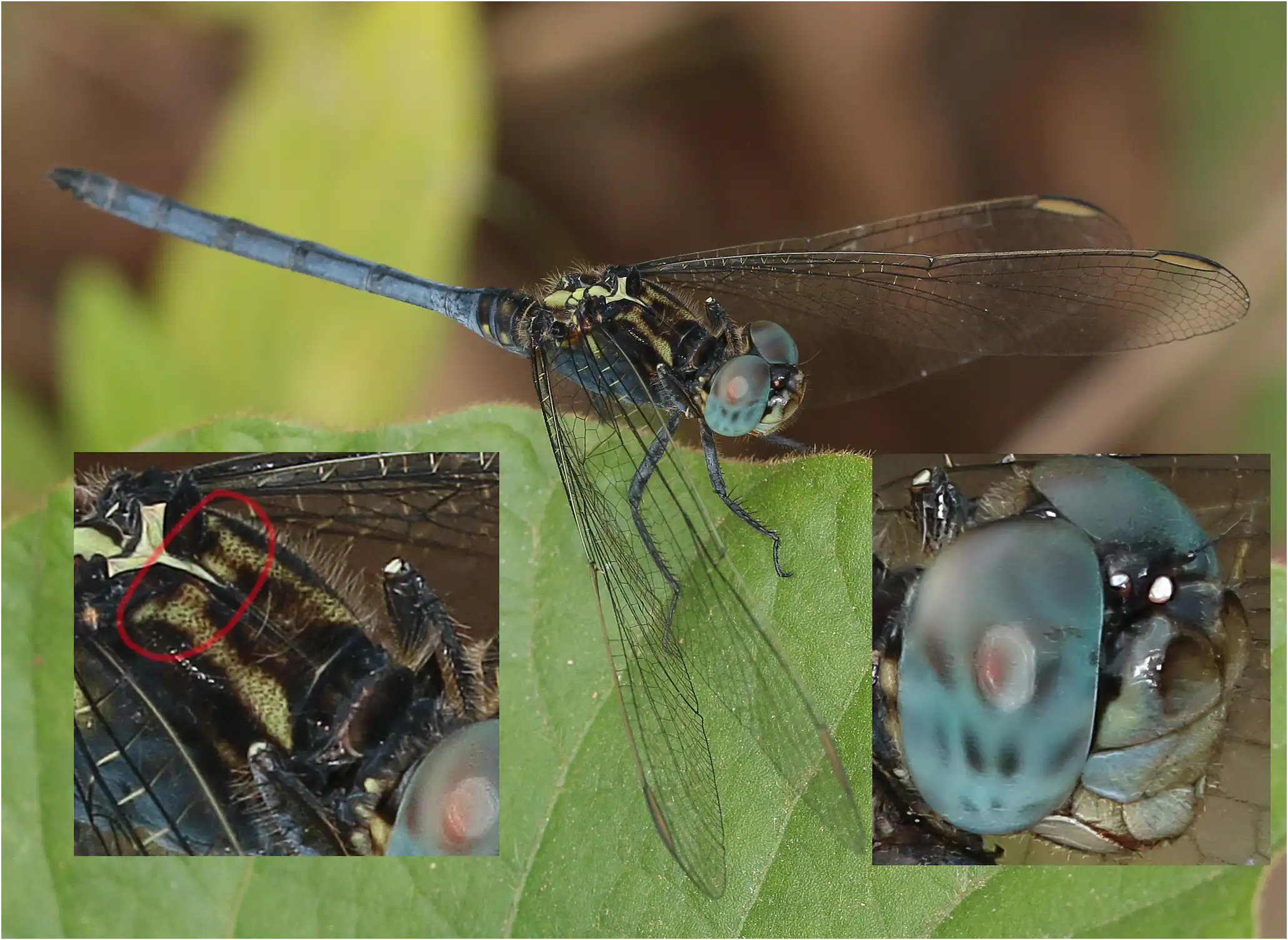
I finally have major doubts regarding this photo. I have several different views of this same subject, including the genitalia under S2, and they do not match Orthetrum hintzi. To be honest, they do not match anything I can find in books, particularly the one by Dijkstra and Claunitzer (2014), which shows most African Orthetrum species.
The pale antehumeral stripes have a shape that I cannot find on any other Orthetrum, narrowing posteriorly and especially with the upper part directed inwards. In addition, it wears 'spectacles' in the manner of O. icteromelas, or rather only the upper part of this ornament. It also seems to feature a black line along the dorsal abdominal carina.
It has no doubled cells above the Rspl (radial planate).
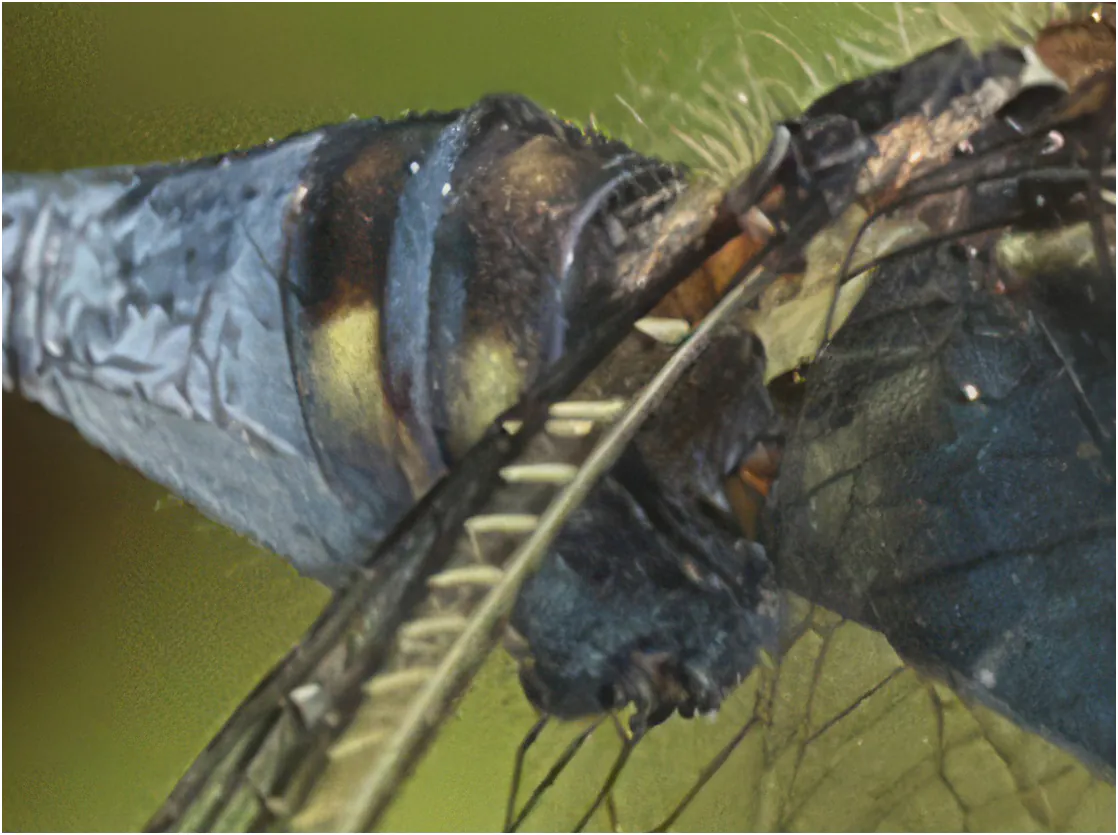
I would be glad to have an expert opinion on this matter. Is this a variant O. hintzi or, as it has been suggested to me, different species.